


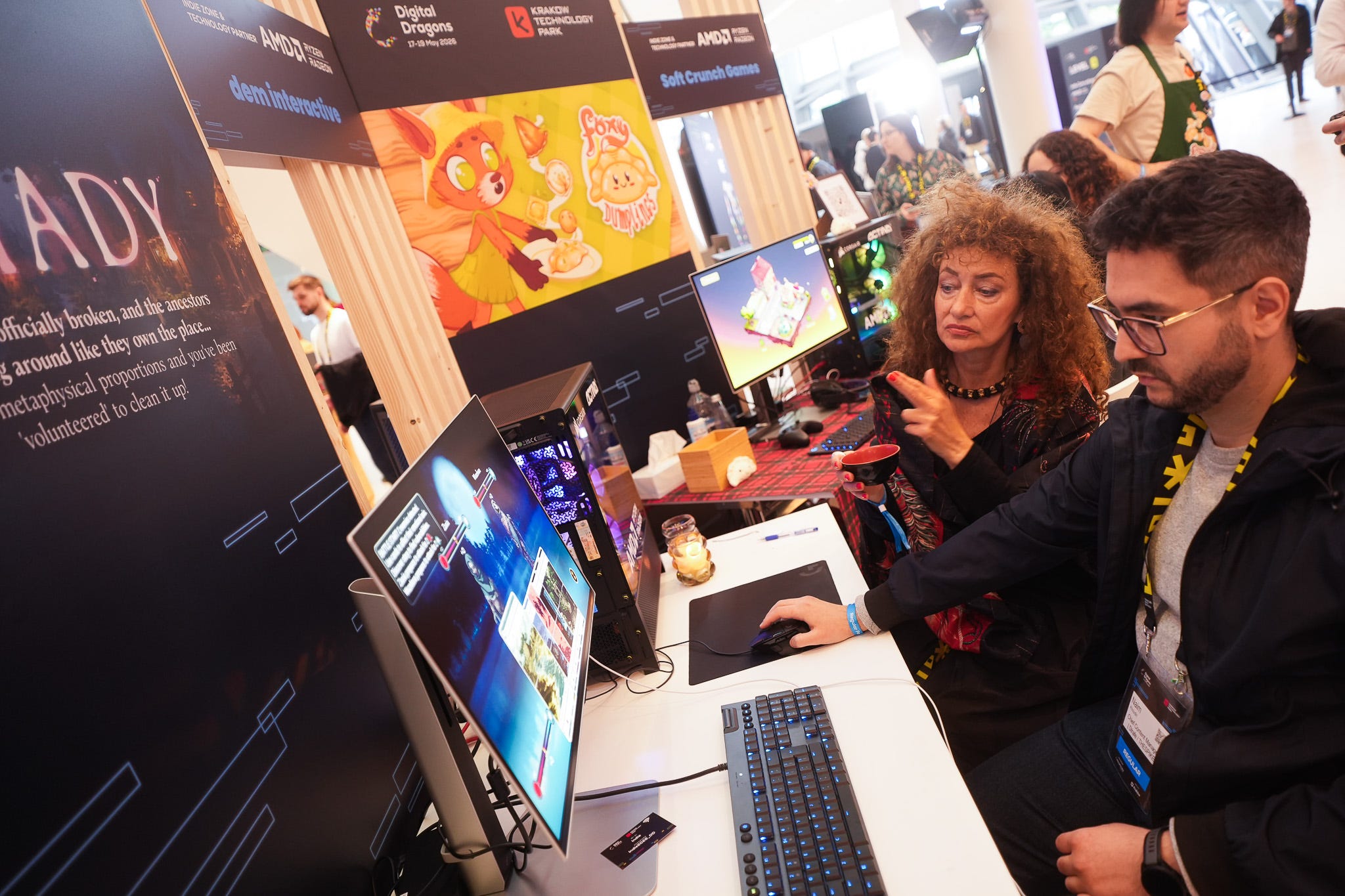
Every year thousands of developers show up to showcase floors at events like Digital Dragons, Nordic Game, PAX, Gamescom, or GIC with a laptop, a build, and a vague plan to “show people the game.” Most of them leave exhausted, with a handful of business cards they can’t remember the context for and a nagging sense they could have done more. I feel you, I’ve been there.
Running a showcase booth well is a skill. It’s not complicated, but it requires preparation that most developers skip because they’re busy finishing the build. This is the guide I wish someone had given me earlier.
Before the event: the preparation nobody talks about
Your build is not the only thing that needs to be ready.
Most developers spend 95% of their pre-event energy on the build and 5% on everything else. The ratio should be closer to 70/30. A slightly rougher build with excellent booth setup will outperform a polished build where nobody can find the controls and you run out of business cards or stickers/pins by noon on day one.
Make a checklist. Not a mental checklist - a written one. Here’s a starting point.
Hardware
Laptop or dedicated device with the build installed locally (don’t rely on the internet connection)
Backup device if possible - builds crash, hardware fails
Controller(s) fully charged and tested with this specific build
Charging cables and power strips
Headphones if audio is important to the experience - open showcase floors are loud
Monitor or TV if the event doesn’t provide one, and you’ve confirmed your setup space
Printed materials
Business cards - more than you think you need. Run out on day one and you’ve lost every conversation from that point on
Control layout sheet - printed, laminated if possible, on the table at all times
One-page fact sheet about the game: genre, platform, release window, team size, what you’re looking for
QR code to your Steam page, itch.io, or wherever people can wishlist or follow - large enough to scan from standing distance
Signage
Clear title and genre visible from walking distance. Someone deciding whether to stop has about two seconds to make that decision - make it easy
Remember to have a QR code in the corner of the keyart right on the showcase branding - it saves time and people can scan it without having to stay in the queue.
Any content warnings if relevant - better to have them visible than to explain mid-demo - very important for people with epilepsy and other medical conditions.
Booth Decor and something to take away
Stickers, pins, keychains, postcards - anything small, branded, and connected to the game. People pick them up, put them on laptops and bags, and every time they see it they think of your game. It’s the cheapest marketing you’ll ever do.
But the best booth decoration isn’t always the most obvious one. When I was promoting a game at an event, I brought baguette plushies and mini Eiffel Towers with French flags - anything that fit the game’s theme. I was the only booth in three or four rows of computers that had anything like it on the table. It was a great opener, people stopped by to complement the decor.
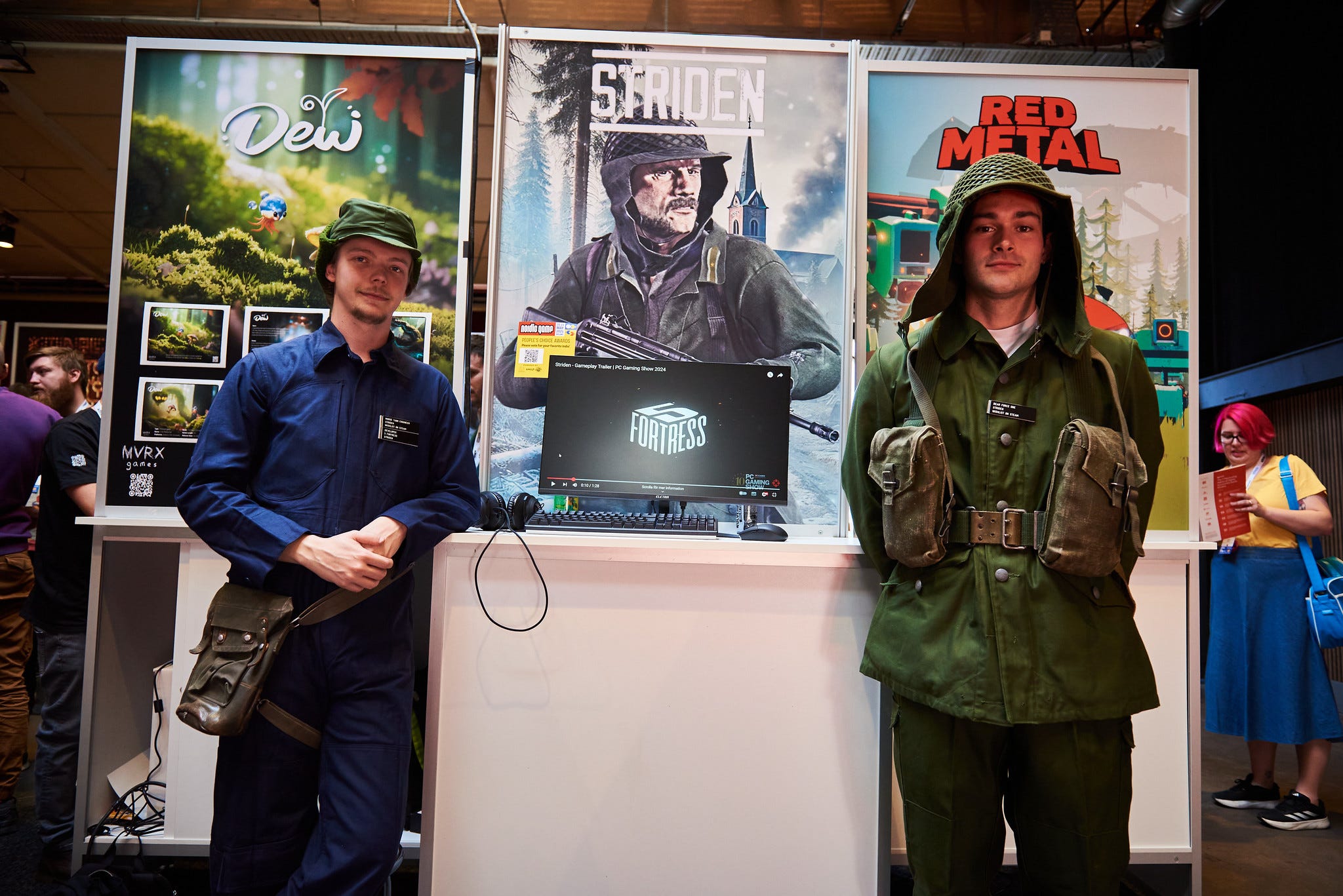
Laid out on a tablecloth that looked like proper fabric, it ended up looking genuinely premium - not tacky, not cheap. People stopped just to look at the setup before they even knew what the game was. I put some candies in a bowl - a Polish brand at a Czech event was something worth highlighting when talking about a Polish studio making the game. I built a routine around it, and it was easier to follow when you matched your sentences with the physical stuff around you.
That’s the point. A booth that looks like it was thought about draws attention before you say a single word. You don’t need a massive budget - you need something that makes someone slow down as they’re walking past and think “what’s going on over there?”
The control layout sheet deserves its own section
This is the single most underrated piece of showcase preparation and the one most commonly skipped.
Your game makes complete sense to you. You’ve played it hundreds of hours. You know that left bumper is a dodge and holding X picks up items without thinking about it. The person sitting down at your booth has never played it, has probably just come from three other booths, and has about thirty seconds of patience before they feel stupid and want to stop.
Print the control layout. Put it on the table, face up, right next to the controller. Not tucked to the side - in the natural eyeline of someone holding the controller. Laminate it if you can. Update it if the build changes.
This single thing reduces the number of people who put the controller down in frustration by a significant margin. It also reduces the number of times you have to interrupt a demo to say “oh, that button does X” - which breaks the player’s experience and your ability to observe their natural reactions.
The QR code on the table
One QR code, large, on a physical card or printed sheet on the table. It should go directly to your Steam wishlist page, playtests signing, google surveys asking for a feedback, your itch.io page, or wherever the most useful action is for your current stage of development.
Don’t send people to your website homepage, your Twitter, or a Linktree. Send them to one specific place where they can do one specific thing. If you’re in early access, that’s wishlisting. If you’re released, that’s the store page. If you’re pre-announcement, that might be a newsletter signup. The less clicks they have to do on the way to your key goal, the better.
Test the QR code before the event. On multiple phones. In varying lighting conditions. Showcase floors are often dim, and a QR code that works perfectly on your iPhone might not scan on an Android in bad light.
Feedback collection
This is where most developers leave enormous value on the table.
If people are playing your game and you’re not collecting structured feedback, you’re getting impressions you’ll half-remember by day two. Build a simple feedback mechanism before the event.
The simplest version: a paper survey with five to seven questions, a pen, and a stack of sheets on the table. Something like:
Have you played games in this genre before? (yes / no / sometimes)
How did the controls feel? (1-5)
What was your first impression of the visual style? (open)
Was anything confusing or frustrating? (open)
Would you wishlist / buy this game? (yes / maybe / no)
Anything else? (open)
The first question is the most important one for filtering purposes, which I’ll come back to.
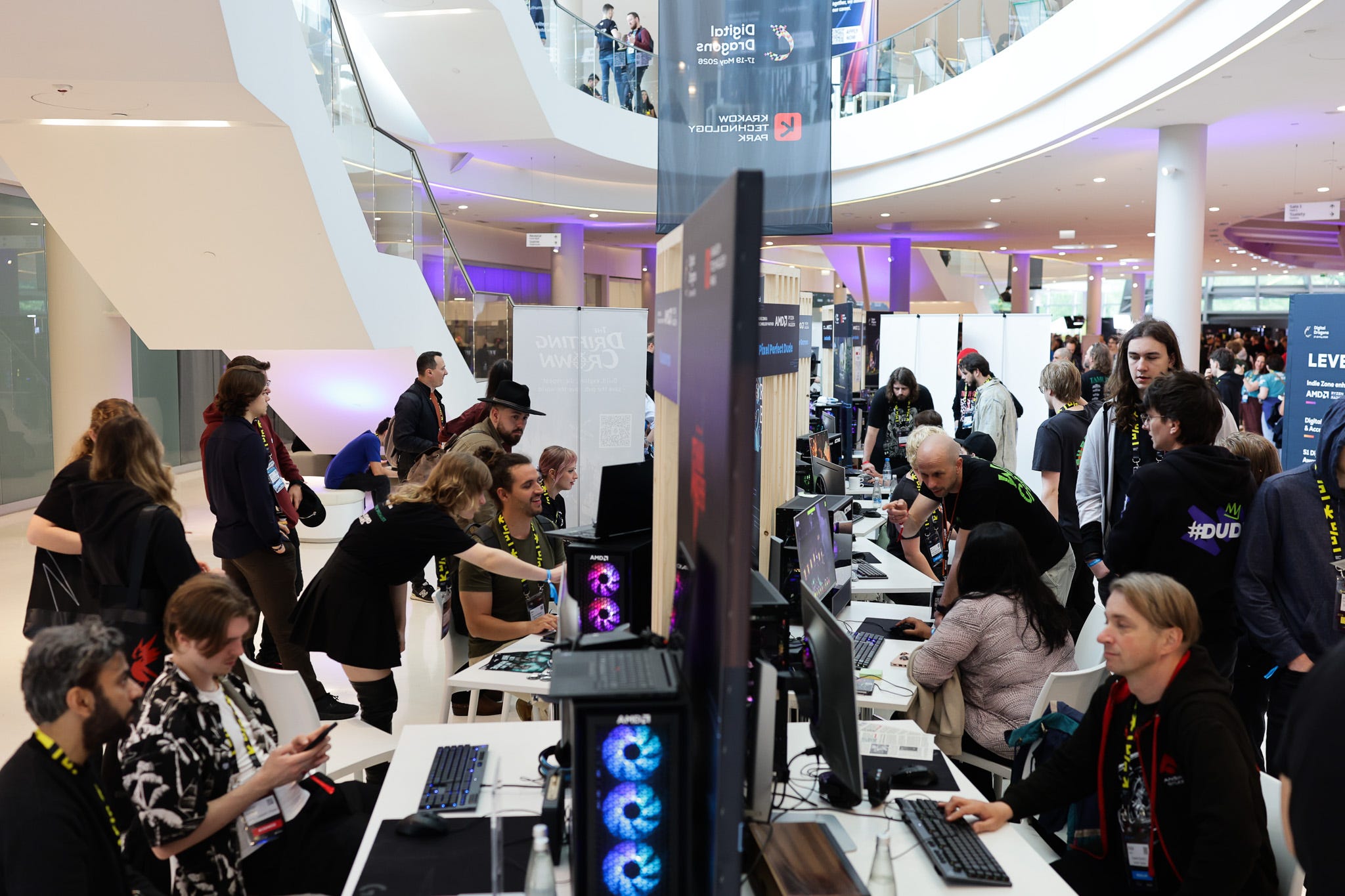
The digital version: a Google Form on a tablet or phone, QR code on the table next to the game. Works well if you have two people at the booth - one managing the demo, one directing people to the feedback form after.
If you have time, try to construct the questions to fit a closed structure - sometimes people are reluctant to write answers to open questions, but clicking through simple 1-5 rating makes the instinct kick in, and their answers might be what they are actually feeling right now. It’s also faster ;)
During the event: running the booth
The first thirty seconds rule is legit.
Someone has stopped at your booth. They’re looking at the screen. You have about thirty seconds before they either sit down, pick up the controller, or move on.
Don’t pitch at them immediately. Let them look. If they seem interested, one sentence: “Want to try it?” is enough. If they want to know more first: one sentence about what the game is. Not the full elevator pitch - one sentence. “It’s a roguelike dungeon crawler where you play as a crashed pilot-robot trying to rebuild his ship and come back to his home planet with a Pratchet-vibed humor” gives them enough to decide whether they want to play it or not.
The goal of the first thirty seconds is to get them into the demo, not to explain everything about the game. The demo will do more work than your words will.
While they’re playing: observe, don’t coach
This is hard, especially if you’re proud of the game and want them to see the best of it.
Resist the urge to narrate while they play. Don’t say “oh, and if you go right there’s a cool thing” or “that’s not actually how most people do it.” Watch what they do. Where do they go first? What do they try? Where do they get stuck? What makes them laugh, or lean forward, or put the controller down?
Their natural, unguided experience of the game is information. Every time you intervene to redirect them, you’re erasing data.
There are exceptions: if they’re stuck in a way that will end the demo in thirty seconds and they’ve clearly missed a tutorial element, a gentle “there’s a hint in the top right if you need it” is fine. But “you should try going left” is not. Imagine someone buying the game after the premiere - will you be over their shoulders 24/7 to explain what to do? Exactly.
After the demo: the conversation
When they finish - whether they completed a level, died, or just put the controller down - this is the most valuable part of the interaction if you handle it well.
“What did you think?” is the worst opening question because it’s too broad. Try asking:
“What was the first thing that felt confusing?” “Was there a moment where you felt like you understood what the game wanted from you?” “Did the controls feel natural by the end?”
Specific questions get specific answers. “What did you think?” gets “yeah it was cool” and then they leave.
If they seem genuinely engaged, ask directly: “Do you play games in this genre? I ask because I’m trying to understand who the audience is.” That question does two things: it filters their feedback for relevance, and it makes them feel like a collaborator rather than a test subject, which changes the quality of what they share.
Filtering feedback in real time
This is where the “have you played games in this genre before” question becomes essential.
Someone who has never played a roguelike will tell you that losing all progress on death is broken and unfair. They’re not wrong from their perspective - but that perspective is not your target audience. If you redesign your death mechanic based on that feedback, you’ll lose your core players without gaining new ones.
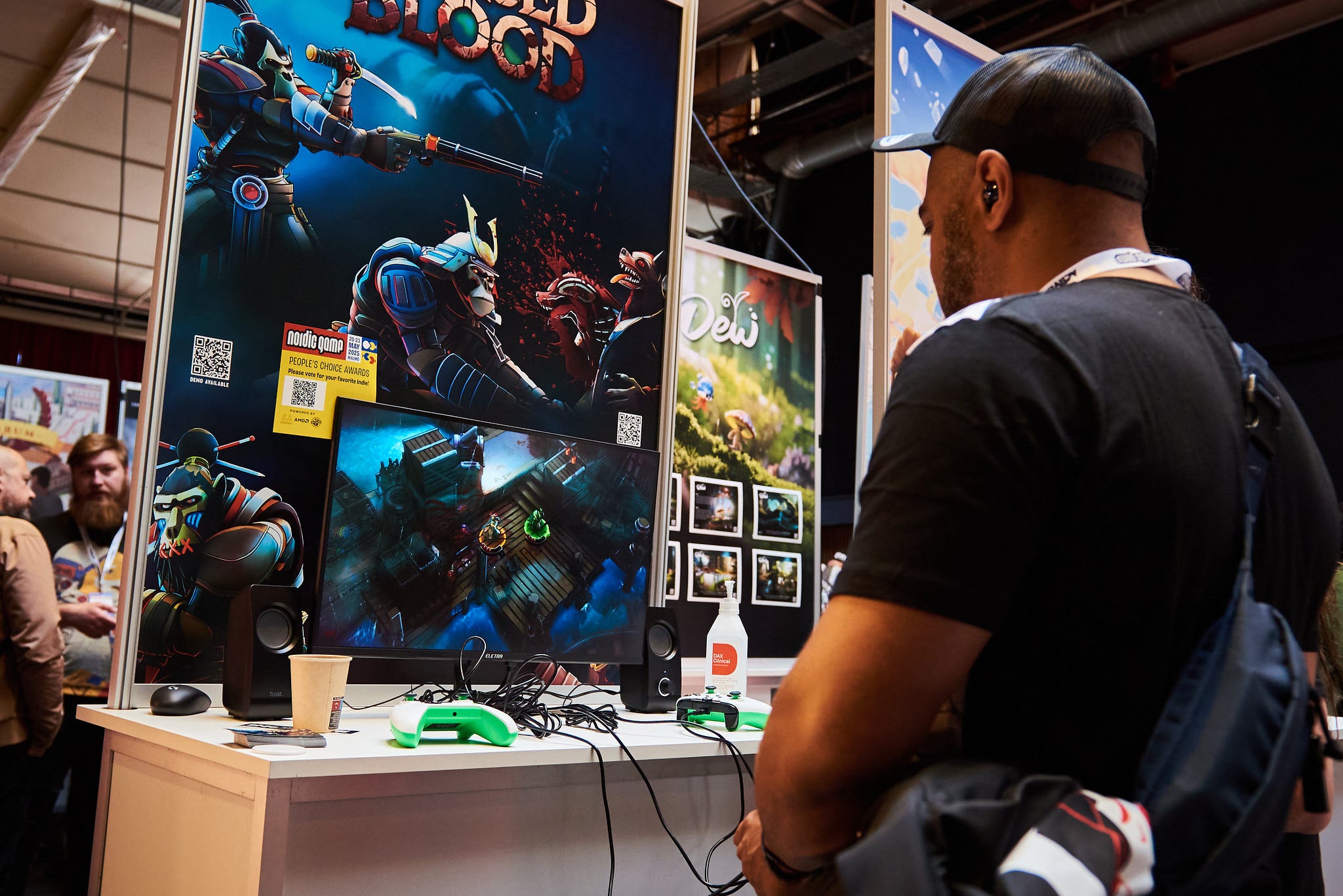
This doesn’t mean ignoring non-target feedback entirely. Sometimes someone outside the target audience identifies a real problem - a confusing UI element, a tutorial gap, a technical issue - that your core players have been tolerating because they’re used to the genre conventions. Filter by source, not by whether you like what you’re hearing.
I’ve learned to separate feedback into three categories:
Core - comes from your target audience, identifies a real friction point, is specific and actionable.
Non-core - comes from outside your target audience, reflects genre unfamiliarity rather than a problem with your game.
Fresh - comes from outside your target audience but identifies something that might be a genuine accessibility or clarity issue worth considering separately. This one is tricky, as you might never have thought about it during development.
The paper survey with the genre question helps you do this retroactively when you’re reviewing feedback after the event.
Enjoying this so far? If you're not following Inside Games yet, consider subscribing - new pieces land in your inbox regularly.
Or pass this one to a developer friend who's heading to an event this year. It might save them a few expensive lessons.
Managing the queue
I really hope that will happen to your booth! If your game is generating interest, you’ll have people waiting. Have a system.
The simplest: a visible sign or verbal communication about session length. “Each session is about ten minutes” sets expectations and prevents the person playing from feeling guilty about holding up a queue, and prevents the people waiting from getting frustrated. It can also be implemented in the build, right after the game starts or even in the main menu.
If you have a queue and someone waiting turns out to be a publisher or investor, it’s okay to have a brief side conversation while the current player is playing - but don’t abandon the player. Split attention, keep one eye on the demo, don’t make the person who sat down feel like they’ve suddenly become invisible. I’ve been the player. I’ve been abandoned when a publisher or investor came. I understood why I was abandoned, but still - felt weird.
Don’t freak out when someone asks for an interview
If a journalist stops at your booth and asks for an interview - don’t panic. It’s a good thing. A great thing, actually.
Have a designated person who handles press conversations. Ideally someone who knows the game inside out and can talk about it naturally without reading off a mental script. If that’s you, great. If it’s your game director or lead designer, make sure they’re reachable and know they might be pulled over at short notice. And for the love of god, please let that be someone who speaks English :) It doesn’t have to be perfect, hell, it doesn’t even have to be with a great accent - English is flexible, we’ve heard many pronunciations of the same thing - context matters and a coherent, but clumsy sentence is better than a sophisticated nonsense.
A few things worth having ready before the event: a short description of the game in plain language - not the Steam page copy, something you’d actually say out loud to another person. Two or three interesting things about the development process or the team. And a honest answer to “when is it coming out” that doesn’t make you sound evasive.
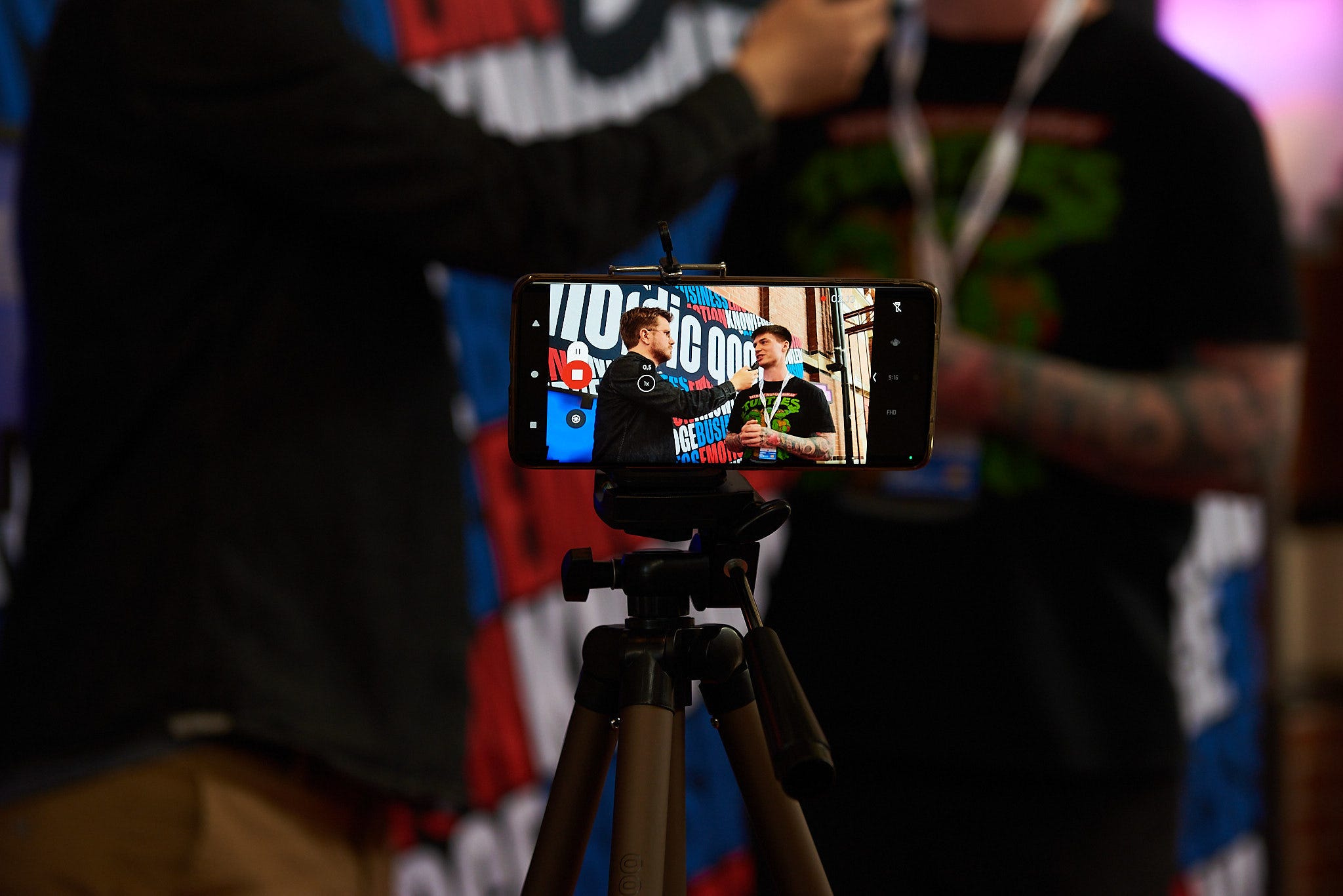
Press interviews at showcases are rarely formal. Most of the time it’s someone with a phone or a recorder asking a few questions while you stand next to the booth. Be conversational, be honest, and don’t over-prepare to the point where it sounds rehearsed. The most memorable developer interviews are the ones where the person sounds genuinely excited about what they’re making - not like they’re reciting a press kit.
One practical note: if someone asks to take photos or video of the gameplay, say yes. Always say yes. You want that coverage. Just make sure the build on screen at that moment is one you’re happy to have published. There is a one in a million chance that this guy has the reach to showcase your title to many people who might have never heard about your game and are ready to wishlist any recommendation.
The publisher or investor who stops by
When someone from a publisher or investment firm stops at your booth - and at industry events, some will - handle it like a demo with additional awareness.
Let them play if they want to. Don’t immediately switch into pitch mode. The game speaks first. After the demo, you can shift gears: “Are you here for business or just browsing the floor?” is a direct question that tells you how to calibrate the next five minutes.
If they’re interested and don’t have a meeting slot with you, get their card and ask explicitly: “Would you be open to a proper meeting? I can send you a request through Meet2Match or reach out directly.” Don’t assume interest means they’ll follow up - make the ask clear.
The most dangerous words at a showcase are “this is exactly what we’re looking for.” They feel great in the moment. They’re also said to approximately forty other developers at the same event. Be glad when someone responds warmly - just don’t start mentally spending the advance until they’ve replied to your follow-up email. The same applies if you’re a service-provider and have a lot of meetings. Those hyper-optimistic guys rarely reply afterward - and when they do, they often back out.
Business cards and contact information
Keep your business cards in one specific, consistent place at the booth - not in your pocket where you’re fumbling for them, not in a bag under the table. On the table, in a small holder or a neat stack, visible and accessible.
When someone asks for a card, give them one and ask for theirs. Write a one-word context note on their card immediately after the conversation - “publisher / action games” or “press / GIC” - because by the end of day two you will not remember who gave you which card. Do this even if it slightly slows the handoff. One method my friend uses is simply taking selfies with people he had a great conversation with.
If someone doesn’t have a card - increasingly common - have a way to exchange contact information quickly. A QR code to your LinkedIn or email is faster than watching someone type in your address. I’ve seen many great ideas for speeding up the process - one guy even had a QR code to his LinkedIn profile as his wallpaper, so he didn’t have to unlock his phone. Just a tap, and he was ready. Brilliant!
Make some friends & exchange knowledge
The people running the booth next to yours are not your competition for the weekend - they’re your most accessible playtesters. Ask them to try your game during a quiet moment. Buy them a coffee, discuss their game, return the favor.
It’s the game industry equivalent of food truck festivals, where chefs swap dishes with the stall next door instead of eating their own food all day. They do it for free, because a fresh perspective from someone who understands the craft is worth more than any formal playtest session. A developer who has spent the last two days watching people struggle with the same onboarding moment will see your game with completely different eyes - and they’ll tell you things your regular playtesters won’t, because they speak the same language.
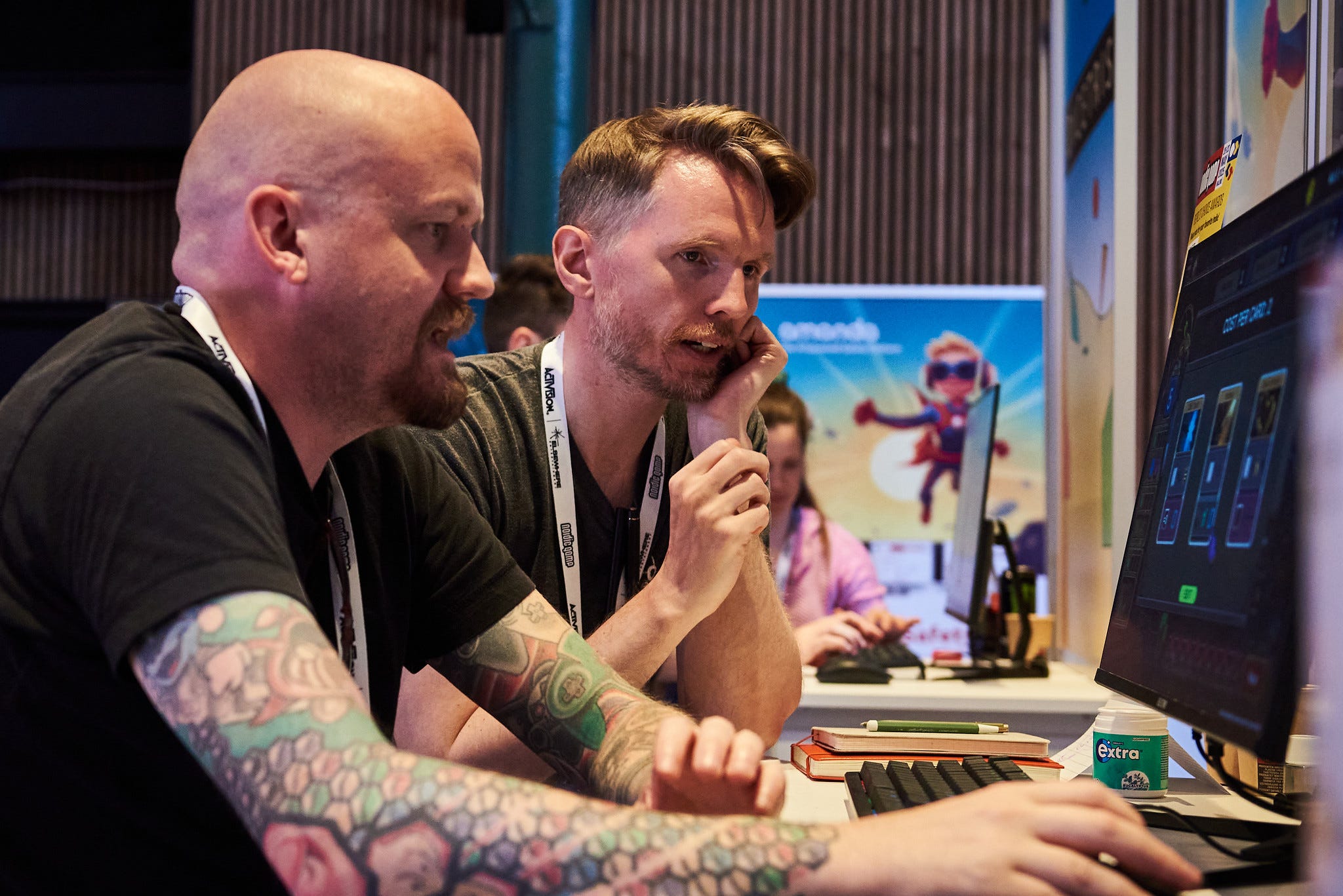
The best feedback I’ve seen come out of showcase floors didn’t come from the structured sessions or the publisher meetings. It came from two developers standing at each other’s booths at 5pm on day two, being completely honest with each other because they had nothing to lose and everything to gain.
Not everyone will say nice things
You will get negative reactions. This is fine.
Some people will play for thirty seconds and put the controller down without a word. That’s not always a sign that your game is bad. Maybe they don’t speak English very well and are afraid of having a conversation. Some will be introverts attending their first-ever event. Some will tell you something you don’t want to hear. Some will be in a hurry and give you nothing useful.
Don’t take any of this personally during the event. You’re running a data collection exercise as much as you’re showing a game. Every interaction - including the short ones and the uncomfortable ones - is information.
Process your feelings about it after the event, in private, not in between demos. As hard as it is, don’t let your bad mood from a previous conversation influence the opening of your next one.
Take care of yourself
Showcase floors are loud, long, and socially exhausting. If you’re staffing a booth alone for eight hours, you will be a worse version of yourself by hour six. If at all possible, bring someone with you - a teammate, a friend, anyone who can cover the booth for thirty minutes while you eat something and sit down somewhere quiet. I’ve been to Brno alone and had to ask people on the booths next to mine to keep an eye on my equipment and personal stuff under the table. That’s not comfortable, and you’ll never know who you’re going to meet.
Eat before the floor opens. Bring water. Wear comfortable shoes. These sound like obvious things and they are, but the number of developers I’ve seen visibly depleted by mid-afternoon day one because they didn’t plan for the physical reality of the day is higher than it should be. I always bring extra snacks and water - I’m a people person, so I can see if someone needs support. Being the one who helps opens up the conversation, you’re making friends and you never know who will be where in the next couple of years. Some of these people helped me get an intro when I really needed it.
Stay for the after party - but know your limits
When the showcase floor closes, the networking doesn’t. Some of the best conversations happen in the evening - over dinner, at a bar, or at one of the unofficial gatherings that form naturally after the official program ends. The people you spent all day pitching to are suddenly just people having a drink. The dynamic shifts, the conversations go deeper, and the relationships that started at the booth get a chance to become something more than a business card exchange.
Go. Stay for a while. Let the day decompress properly - it helps with the mental overload that comes from eight hours of demos, questions, and conversations.
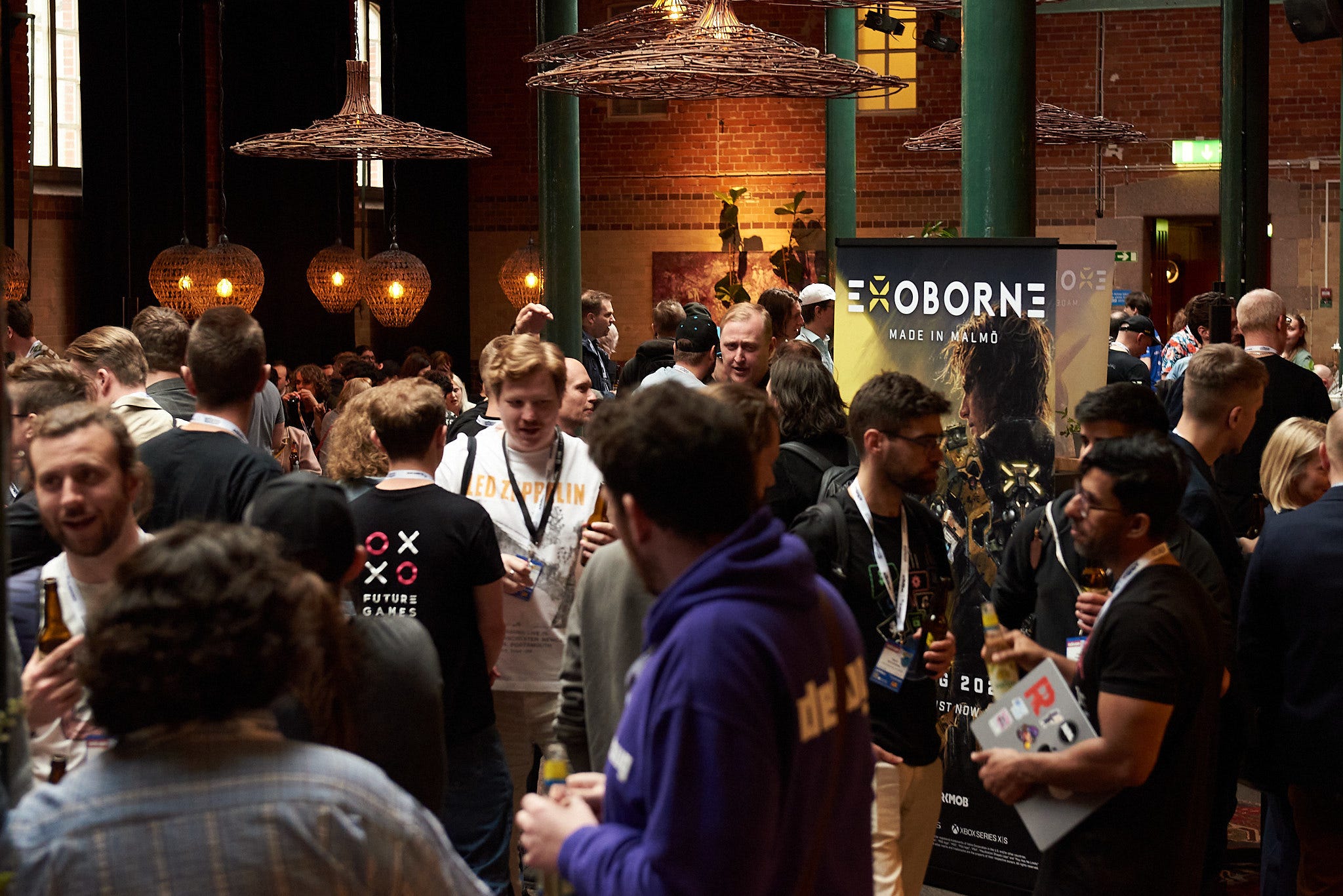
Just don’t overdo it. You have another day tomorrow, and showing up exhausted and fragile on day two of a three-day event is one of the more avoidable mistakes in the showcase handbook. One drink too many is fine. Four is a problem you’ll feel at 8am when you’re trying to remember someone’s name and why you were supposed to email them.
The after party is part of the job. Treat it like the job - be present, be genuine, and leave while you can still do both.
If you want to go deeper on how to approach the social side of industry events - the mixers, the dinners, the unofficial gatherings - I've written about it in detail separately. The principles are the same whether you're at the booth or at the bar.
After the event: the follow-up most developers skip
Go through every business card and every piece of feedback within 48 hours of the event. Not a week later. Not “when you have time.” 48 hours, while the context is still fresh.
For business cards: log them somewhere (a spreadsheet, a CRM, even a notes app). I use Airtable - it’s cheap, looks nice and is highly customizable. Pair it with the context note you wrote and a one-line reminder of the conversation. Then decide who gets a follow-up and what that follow-up says. A specific follow-up referencing something from your actual conversation is worth ten generic “great to meet you” emails.
How do you remember who you met at an event? Make quick notes - name, company, some context. Could be on your phone or in a notebook. A notebook looks nicer, but asking if you can take notes on your phone rarely gets a negative reaction
For feedback forms: go through them with the genre filter in mind. Group signal feedback by theme. Look for patterns - if five people independently mentioned the same confusion point, that’s not a coincidence. Prioritize accordingly.
And one more thing: if someone gave you genuinely useful, detailed feedback at the booth - a player who spent twenty minutes with the game and gave you a thorough rundown - follow up with a thank you. Not a form email. A real one. It takes two minutes and people remember it. The games industry is small. That player might be a journalist, a streamer, a developer, or just someone with a large following who loved talking about your game. Treat them accordingly.
The difference between a showcase that generates momentum and one that generates a pile of business cards you never follow up on is almost entirely preparation and intentionality. The game is the game - you can’t change that at the event. But how you present it, how you collect feedback from it, and what you do with that feedback afterward is entirely within your control.
The summary
Somewhere out there is a developer setting up their first showcase booth right now. They’ve got the build, they’ve got the hardware, and they’ve completely forgotten to print the control scheme.
Don’t be that developer. Print the control scheme. Bring the candy. Stand in front of the table.
And if you’ve got a story from your own showcase experience - the thing that went brilliantly wrong, the weird booth decoration that started every conversation, the publisher who stopped because of the tablecloth - I’d genuinely love to hear it. Comments are open.
And if you’ve got a story from your own showcase experience - the thing that went brilliantly wrong, the weird booth decoration that started every conversation, the publisher who stopped because of the tablecloth - I’d genuinely love to hear it. Comments are open.
Photo courtesy of Digital Dragons / Nordic Game